Hunter Douglas Energy Efficient Shades
Are Hunter Douglas Shades Energy Efficient?
Yes — Hunter Douglas shades and blind are genuinely and measurably energy efficient. Windows are one of the largest sources of energy loss in any home, and Hunter Douglas has spent decades engineering window covering products specifically to address energy efficiency.
While the walls and roof of a well-constructed home typically have an R-value of around 25, even low-e double-glazed windows reach only about 3.5 — meaning windows allow roughly seven times more energy to escape per square foot than the rest of the building envelope. Hunter Douglas uses both R-value (resistance to heat flow in winter) and solar heat gain coefficient, or SHGC (the ability to reduce solar heat gain in summer), as the primary measures of energy performance for its products. In Florida’s climate, where summer heat gain is the dominant energy challenge, SHGC is especially critical. Properly installed cellular shades can reduce HVAC costs by 15 to 25 percent, translating to meaningful annual savings for the average home. Hunter Douglas is also the first window treatment company to receive certification from the Attachments Energy Rating Council (AERC), an independent organization partially funded by the U.S. Department of Energy that provides consumers with verified energy performance data on window attachments. That distinction matters — it means the claims aren’t just marketing. They’re independently validated.
Which Hunter Douglas Products Are the Most Energy Efficient?
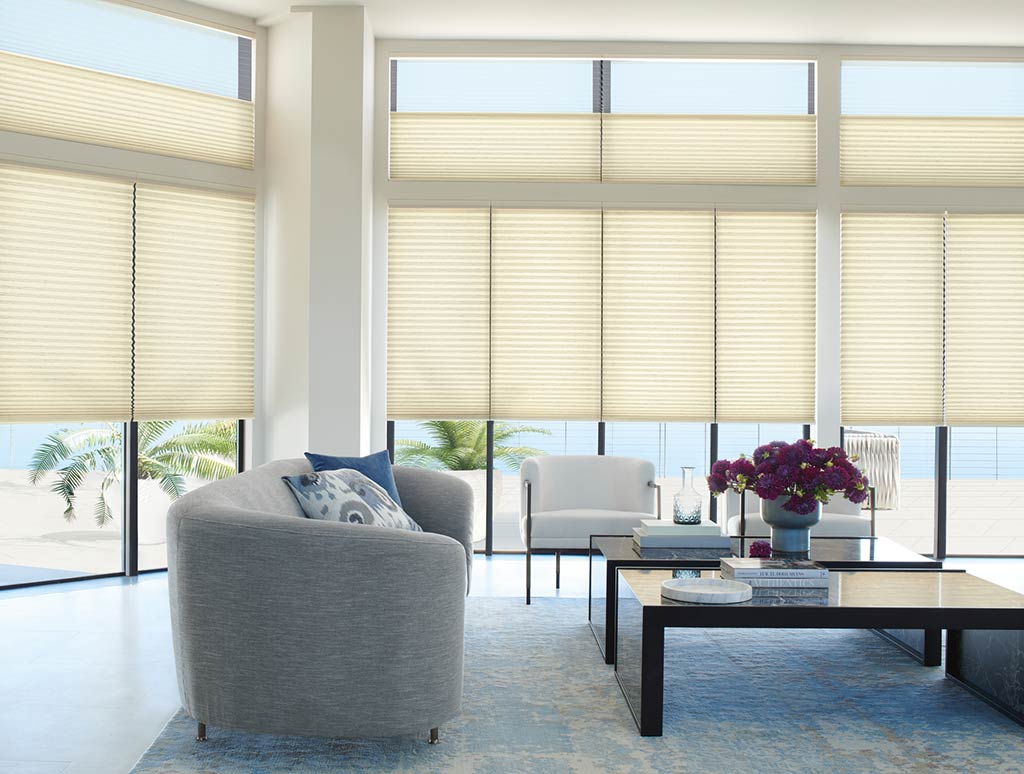
Cellular shades are the most insulating interior shades available anywhere, and field studies have shown they outperform traditional vinyl blinds in energy efficiency. Here are the top three Hunter Douglas offerings when energy performance is the priority:
1. Duette Architella® Honeycomb Shades
The gold standard. Duette Architella shades feature a patented honeycomb-within-a-honeycomb construction, providing two additional air pockets compared to traditional cellular shades and achieving an R-value of 7.73 in winter — compared to just 1.75 for a typical double-paned window. That is more than four times the insulating performance of the glass itself. This construction makes Duette Architella the most energy-efficient cellular shade available in any nationally branded window covering line. For South Florida homeowners looking to reduce cooling costs year-round, there is no more effective product at the window.
2. Duette® Honeycomb Shades
The original cellular shade and still one of the best. Hunter Douglas was the first company to design and engineer the cellular shade, creating an effective solution for heat and cooling loss through windows and doors. Duette shades feature a unique honeycomb construction that traps air in distinct pockets, providing an additional layer of insulation at the window. Both Duette and Applause® Honeycomb Shades carry full AERC certification and were the Hunter Douglas products previously eligible for the federal energy tax credit — a testament to how seriously their efficiency credentials have been vetted.
3. Sonnette® Cellular Roller Shades
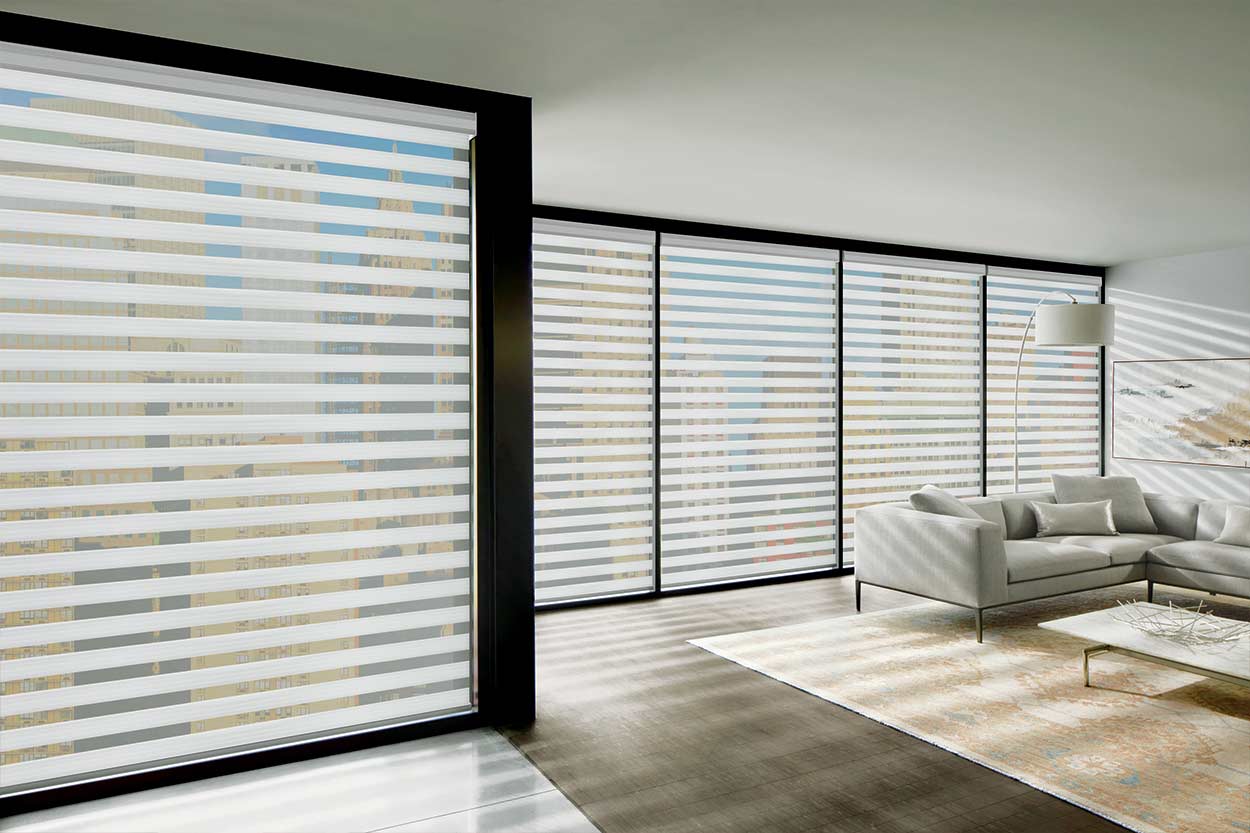
The modern solution for those who want energy performance without the traditional honeycomb look. Sonnette shades marry the simplicity of a roller shade with a layer of insulating fabric, delivering energy efficiency through a cellular design that provides comfort all year long. Sonnette is AERC certified, and Hunter Douglas now includes Warm and Cool Climate Ratings with Automation — measuring how energy performance improves when shades are paired with a PowerView automated schedule. For clients who want clean, contemporary lines without sacrificing insulating value, Sonnette is the ideal bridge between style and function
Are There Tax Credits for Energy-Efficient Shades and Blinds in 2026?
Unfortunately, no — not at the federal level. This is an important update for homeowners who may have heard about this benefit in prior years. The Energy Efficient Home Improvement Credit under Section 25C of the tax code expired after December 31, 2025, and as of January 1, 2026, this credit is no longer available. Only qualifying improvements installed and placed in service by December 31, 2025, are eligible. The credit’s early termination was the result of a recent Congressional act, which cut short what had originally been projected as a program running through 2032.
For homeowners who purchased and installed qualifying Hunter Douglas Duette® or Applause® Honeycomb Shades before the December 31, 2025 deadline, you can still claim the credit on your 2025 tax return filed in 2026 — but note that Section 25C does not allow carryforwards, so unused credits from prior years cannot be applied going forward. Always consult a tax professional for guidance specific to your situation.
The end of the tax credit does not change the underlying value of the products themselves. Hunter Douglas Duette shades insulate your home just as effectively today as they did when the incentive existed. In Florida’s climate, where air conditioning accounts for a substantial share of annual utility costs, the energy savings from high-performing cellular shades deliver a real return on investment year after year — with or without a government incentive. The AERC-certified performance ratings, the R-values, and the independently verified SHGC data all remain unchanged. At A Shade Above, we’ve been recommending Duette shades since long before the tax credit existed, and we’ll keep recommending them for the same reason: they work.